

Sell it
Distribution and advertising
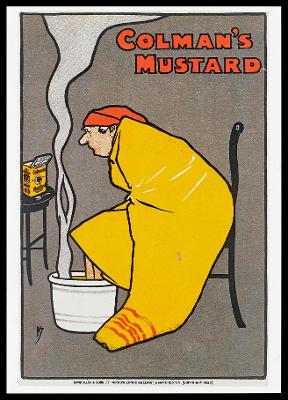
Gentlemen, we live in an age of advertisement, the age of Holloway's pills, of Colman's mustard, and of Horniman's pure tea.
- Lord Randolph Churchill, 1884
The 19th century saw the rise, spectacular spread, and transformation of the advertising industry.
In the early part of the century, cities became cluttered with intrusive forms of advertising: enormous hoardings; posters and handbills littering seemingly all surfaces; and sandwich men (people wearing advertising boards) in the streets. Posters and newspaper ads were very text-heavy, with whole paragraphs of product endorsements and few or no images.

By the closing decades of 1800s, regulations and restrictions were placed on outdoor advertising. Designs for visual ads - with posters as a leading example - moved the emphasis to images accompanied by a limited amount of copy. Advertising embraced high art and modern design and forged a path for itself to become an art form in itself. Existing works of art, such as paintings by Pre-Raphaelite painter John Everett Millais, were used to advertise mundane products (in Millais's case, it was Pears' Soap). But advertising agencies also employed artists and designers to create original art for specific campaigns and products.

Colman's is best known for collaborating with John Hassall and Cecil Aldin. The Colman's advertising department opened in or just before 1880. It dealt with in-store and outdoor advertising (including transport publicity) and commissions of external advertising materials and campaigns.
Webpages in the Sell it section

Advertising in transit

Posters and enamel signs

Advertising campaigns and film


