

Gallery Title
Gallery Title


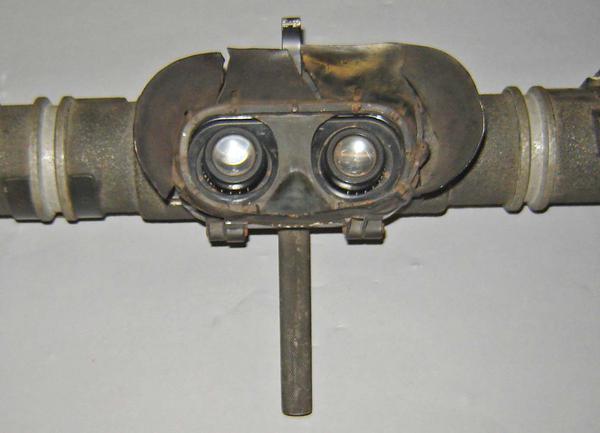
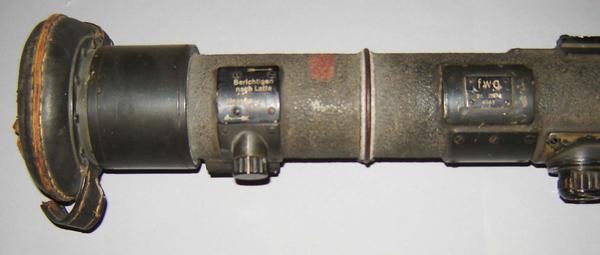
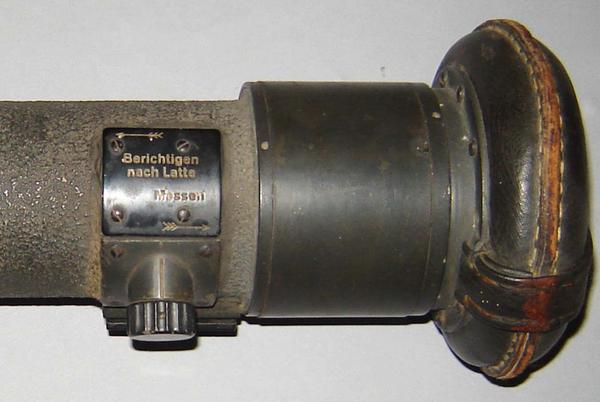
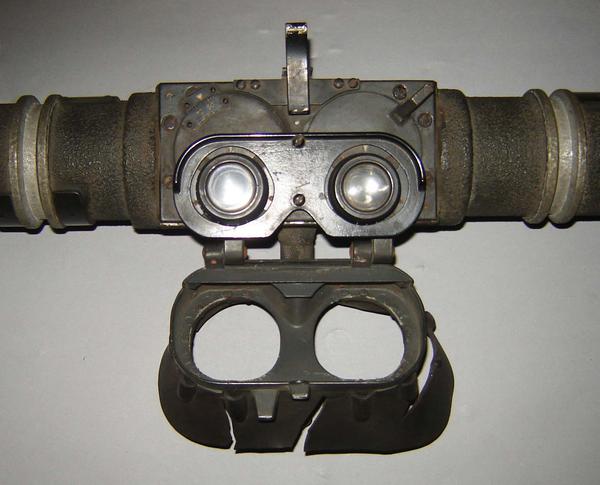
German Army Rangefinder
Accession Number NWHRM : 2536
Description
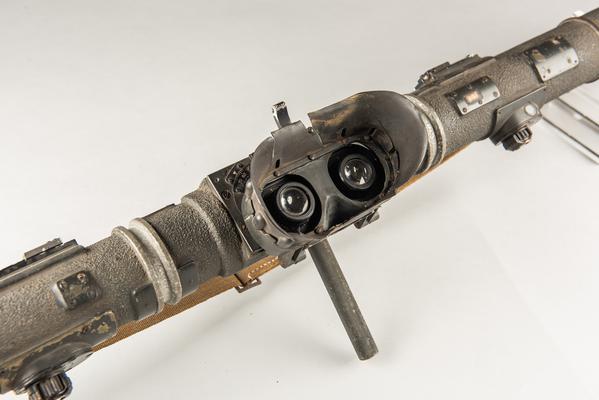
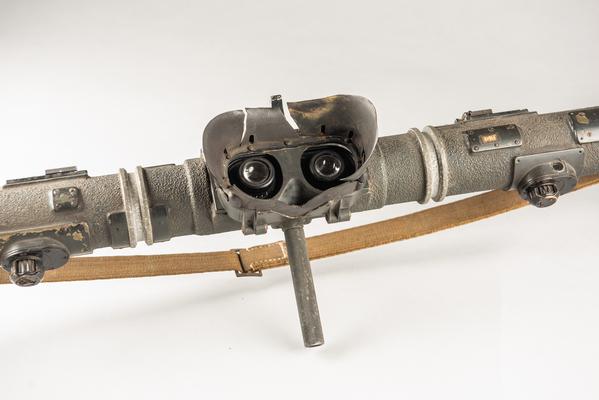
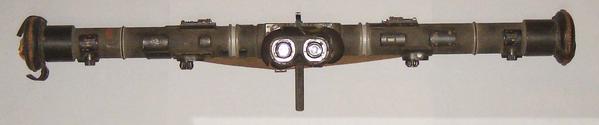
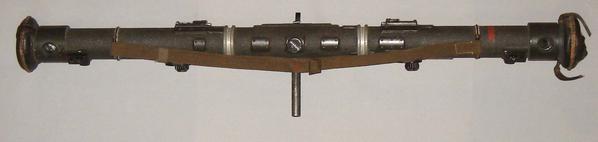
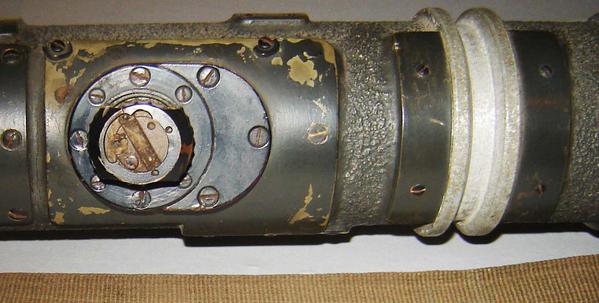
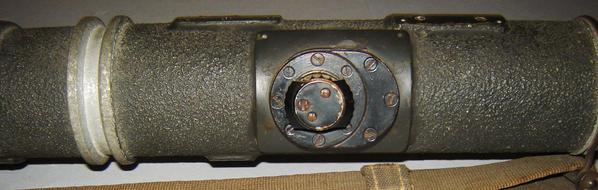
German Army rangefinder. Cast aluminium cylinder, with lenses and face cover or 'blinker' in centre. Each end has a lens protected by padded twist cover. Captured by the 1st Battalion, Royal Norfolk Regiment in 1945 during the closing stages of the Second World War
Read MoreGerman Army Rangefinder
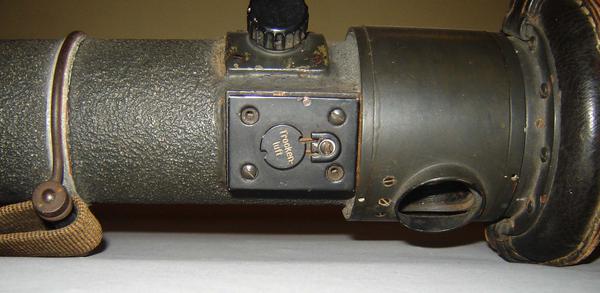
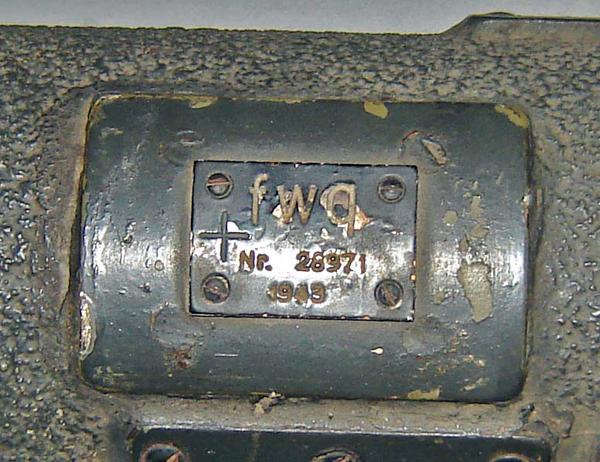
Second World War German Artillery rangefinder EM36. Entfernungsmesser 1 meter R36. A 1.64 metre long metal tube with binocular eyepiece in the middle and a moveable object glass at each end. In the middle are a flip-over rubber eyeshade and a tubular metal pintle so the rangefinder can be mounted horizontally on its tripod (missing from this example). Each end is protected by a leather cap and there is a webbing carrying strap attached along the centre of the tube. The tube itself is painted grey-green with a textured finish. There is a red stripe near each end. There are adjustment knobs left and right, and attachment points for electric cables. All of these have instruction labels, white lettering on black: "Berichtigung nach Latte" adjust towards the slots, "Messen" - measure, "Farbige laser" - coloured glass, "Trockene luft" - dry air. Left of centre is a label with "fwg" above "Nr.289M" above "1943". This is the manufacturer's secret ordinance code, the identity number "Nummer" - of this example and the year of manufacture. Other examples bear a label - "Em 1m R36 m.f.m. Vergr. 6x Lattenabstand 1640cm Berichtigung nach Latte mit Marke 23,5 hm", which tells us the name of the apparatus - Em - Entfemungsmesser - "distance measurer" i.e. rangefinder - R36. 1m - one metre between object lens centres, which is the base of a triangle, the sides of which are the sight lines of left and right lenses converging on the distant target and directed by the operator viewing through the central binocular eyepieces. The angle to which the object lenses are set, along with the known base - one meter - allows the rangefinder to calculate distance-to-target using trigonometry. This rangefinder was captured by the 1st Battalion, the Royal Norfolk Regiment in North West Europe 1944-45.


